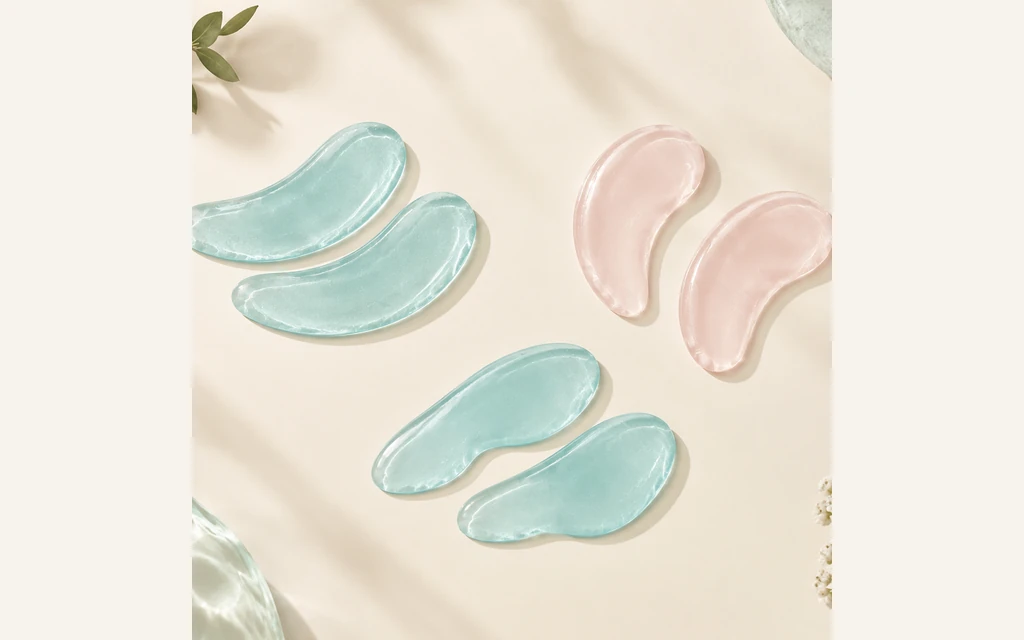
Choose an eye-patch route from the customer, care routine and unit of sale. Then compare the formula, fit and packaging decisions together.
Separate the three commercial starting points
An everyday retail jar, a formula-led eye-care product and an individually packed professional pair can begin from different briefs. The first may prioritize use frequency and pack count; the second may require more formulation and evaluation work; the third may place more weight on single-use presentation. These are development priorities, not proof that one route is better.
Compare like-for-like samples
Ask which variables differ between sample versions. A different color, thickness or pack can influence how a buyer perceives the product. Keep the review structured so the team can distinguish a packaging preference from a formula or geometry issue. Record the sample identifier and the proposed use instructions with every set of feedback.
Make fit a specific discussion
Identify the coverage area and the handling experience you want. Review how the patch comes out of the container, how easily it can be positioned and what users report during the proposed routine. Do not translate one informal try-on into a universal claim about movement, comfort or visible results.
Agree what makes the route commercially usable
Compare the complete selling unit and the responsibilities included in the quotation. A jar and an individual sachet may require different component orders, artwork and packing work. Confirm the quantity unit before comparing prices, and ask how custom development changes the sample and approval stages.
Put the decision into your brief
| Decision | Information to confirm |
|---|---|
| Everyday care | Routine, pack count, user handling and target cost |
| Formula-led care | Formula objectives and evaluation scope |
| Single-pair format | Tray, sachet, outer carton and channel presentation |
| All routes | Sample approval, specification and release responsibilities |
State the channel, target customer, care direction, preferred selling format and estimated quantity. Include a reference for the desired fit or appearance.
Keep proposed options separate from approved specifications. Ask PZIK to identify the next decision and the information needed to resolve it. Quantity, timing, pricing and final claims are confirmed for the agreed product and packaging scope.
Continue your project review
Explore hydrogel product routes, review shape and packaging customization, or compare the OEM/ODM project stages. When the initial direction is clear, send a project brief with your market, selling unit and quantity.