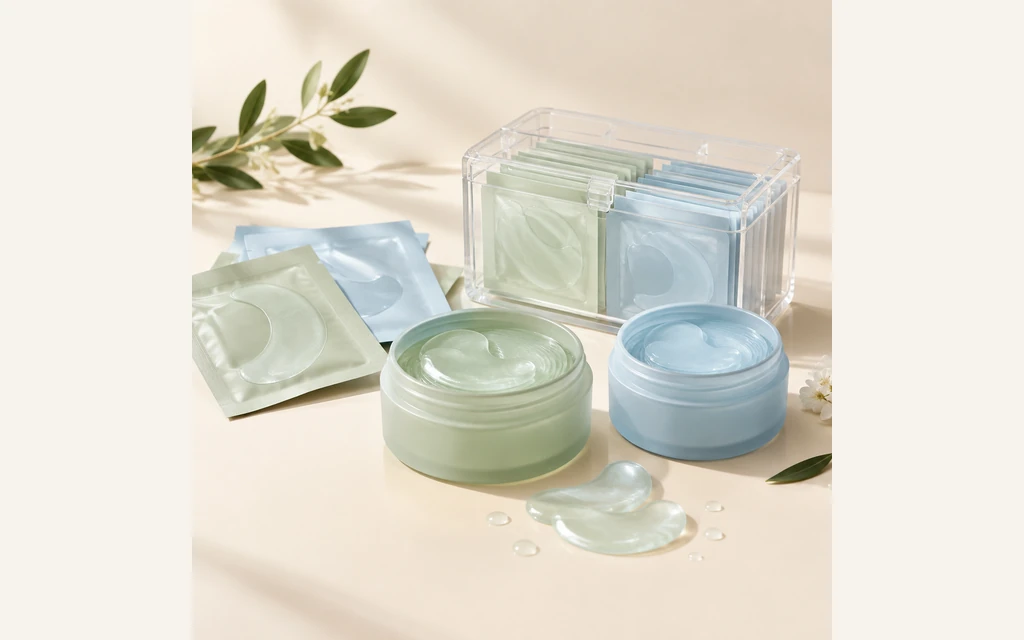
Define the finished configuration and the review plan before asking for a stability conclusion. A generic result is not a substitute for a project-specific assessment.
Identify the configuration under review
Record the formula version, patch format, packaging components and proposed instructions. If any of these changes, ask the responsible technical team whether the review scope needs to change. Keep the sample identity connected to the report or feedback so the result can be traced to the correct configuration.
Agree the questions and conditions
Ask the qualified project or laboratory team to define the appropriate review conditions, observations and acceptance criteria. A buyer should understand what the work is intended to establish and what it does not cover. Avoid prescribing arbitrary temperatures or durations solely because another product used them.
Separate observations from claims
Appearance, handling and package observations may be part of a review, but they do not independently establish a cosmetic benefit claim. Clarify whether the project needs separate evaluations for the intended claims and market requirements. Use wording that matches the actual evidence and the finished product being supplied.
Document decisions after a change
If the formula, support material, package or artwork instructions are revised, record the change and ask which evaluations remain applicable. Do not silently carry an old approval into a new configuration. The outcome should be a clear decision, a set of open actions or a revised plan, rather than an unsupported blanket statement.
Put the decision into your brief
| Decision | Information to confirm |
|---|---|
| Configuration | Formula version, format and complete pack |
| Plan | Responsible team, conditions and acceptance criteria |
| Records | Sample identity, observations and limitations |
| Change control | What is reassessed when the product changes? |
Share the proposed finished configuration and intended market. Request a written scope, responsible party and explanation of what the resulting review can support.
Keep proposed options separate from approved specifications. Ask PZIK to identify the next decision and the information needed to resolve it. Quantity, timing, pricing and final claims are confirmed for the agreed product and packaging scope.
Continue your project review
Explore hydrogel product routes, review shape and packaging customization, or compare the OEM/ODM project stages. When the initial direction is clear, send a project brief with your market, selling unit and quantity.