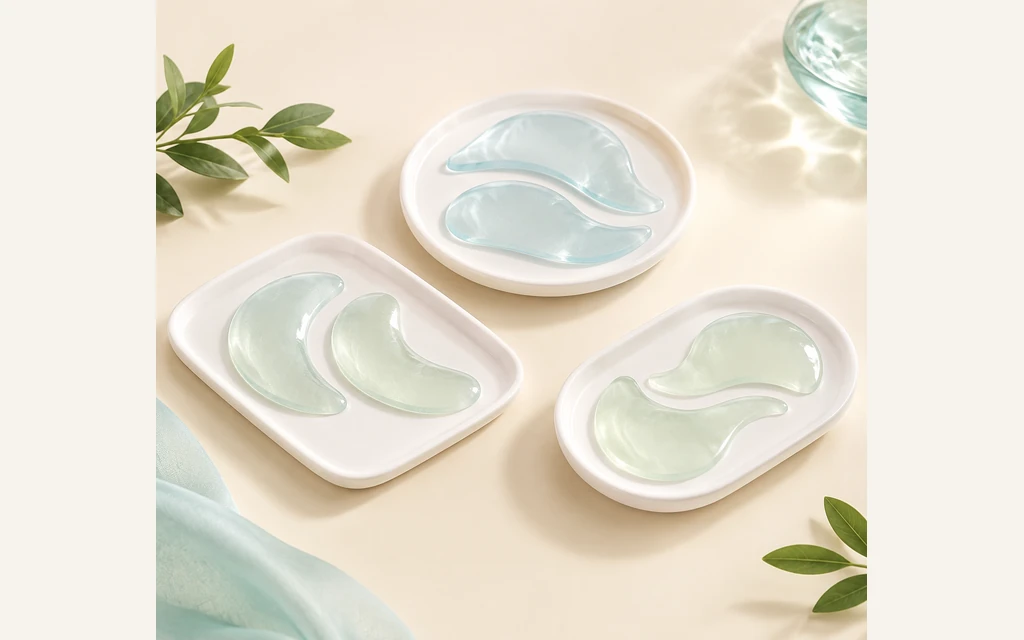
An existing shape can simplify the starting discussion. A custom outline is worth reviewing when it serves a defined coverage, handling or brand requirement.
Identify the reason for customization
Explain what the proposed outline needs to achieve. Is the requirement about coverage, placement, packaging or a distinctive appearance? A supplier can evaluate a concrete requirement more effectively than an instruction to make the product different. Keep aesthetic preferences separate from performance statements.
Ask what already exists
Request the relevant available development references and ask which parts are established. An existing shape does not automatically mean finished stock, approved compatibility with your formula or a confirmed delivery date. Confirm the actual project scope rather than treating a picture of a mold or sample as evidence of availability.
Understand the change beyond the outline
Ask whether a new shape affects tooling, support materials, packaging, sample stages and commercial quantities. Get those items described in the quotation. Avoid comparing a standard sample price with a custom project price unless both contain the same development and packaging responsibilities.
Use a decision gate before committing
First approve the commercial purpose and target configuration. Next resolve feasibility and sample scope. Commit to further custom work only when the acceptance criteria and responsibilities are understood. This gives the team a clear point to proceed, revise the brief or return to an existing direction.
Put the decision into your brief
| Decision | Information to confirm |
|---|---|
| Existing route | What is established and what remains project-specific? |
| Custom route | What problem does the new outline solve? |
| Dependencies | Tooling, liner, tray, package and sample changes |
| Decision | What evidence is needed before the next commitment? |
Include both your preferred outline and the reason it is required. Request a comparison of the existing and custom routes with the same packaging assumptions.
Keep proposed options separate from approved specifications. Ask PZIK to identify the next decision and the information needed to resolve it. Quantity, timing, pricing and final claims are confirmed for the agreed product and packaging scope.
Continue your project review
Explore hydrogel product routes, review shape and packaging customization, or compare the OEM/ODM project stages. When the initial direction is clear, send a project brief with your market, selling unit and quantity.