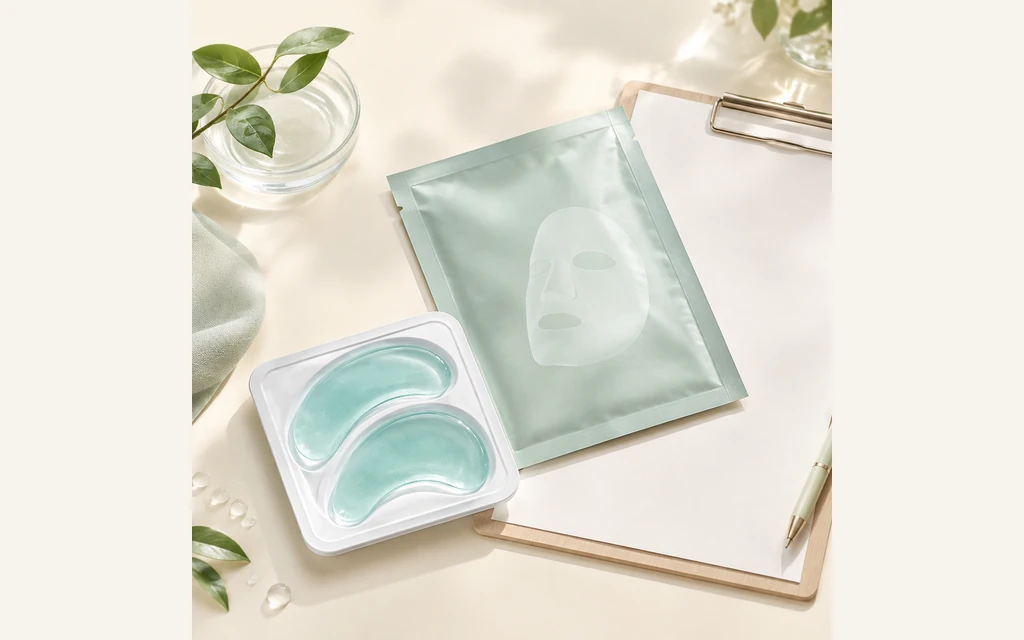
A sample should answer a defined set of questions. Record what it represents, which observations matter and what remains unconfirmed before production.
Define the sample scope before shipment
Ask whether the sample represents the proposed formula, shape, color, package and artwork. Early samples may be suitable for one question but not another. A formula sample in temporary packaging should not be treated as approval of the final retail unit, so record the scope explicitly.
Use one review sheet
Record the sample identifier, date, proposed use instructions and the review conditions. Separate observations about appearance, handling, placement, comfort and packaging. If several reviewers participate, use the same questions so their responses can be compared without turning different personal impressions into conflicting instructions.
Make feedback actionable
Explain what you observed and what you want to change. A request such as less slippery is more useful when paired with the use conditions and a reference. Avoid combining unrelated changes in a single approval message. Ask the development team which changes should be evaluated separately and which need to be reviewed together.
Close the loop with a named version
When a revised sample is supplied, link it to the previous feedback. Approve the agreed configuration and record outstanding requirements separately. Sample approval, artwork approval, evaluation completion and production authorization are distinct decisions; the parties should understand which decision is being made.
Put the decision into your brief
| Decision | Information to confirm |
|---|---|
| Identity | Sample code and version |
| Scope | Formula, geometry, package and artwork represented |
| Review | Conditions and agreed observations |
| Feedback | Changes requested and responsible next action |
| Approval | Approved elements and remaining open items |
Ask for named sample versions and explain who will review them. Return consolidated observations rather than unrelated comments across multiple message threads.
Keep proposed options separate from approved specifications. Ask PZIK to identify the next decision and the information needed to resolve it. Quantity, timing, pricing and final claims are confirmed for the agreed product and packaging scope.
Continue your project review
Explore hydrogel product routes, review shape and packaging customization, or compare the OEM/ODM project stages. When the initial direction is clear, send a project brief with your market, selling unit and quantity.